Rapid UX Research with AI Support
7 minute read
Traditional accessibility often begins after design decisions have already been made. Working with accessibility consultant Colin Wong and members of the blind and low-vision community, gotomedia developed an inclusive co-creation framework that brings accessibility into the earliest stages of healthcare product strategy, ideation, and experience design. The result is a repeatable methodology that helps organizations create more accessible products from the start rather than retrofitting them later.
For many healthcare products, accessibility is treated as a compliance exercise after development. By then, fundamental interaction patterns have already been established, making meaningful improvements costly and limiting innovation.
We wanted to answer a different question:
How might we design with people who are blind or have low vision instead of asking them to evaluate finished designs?
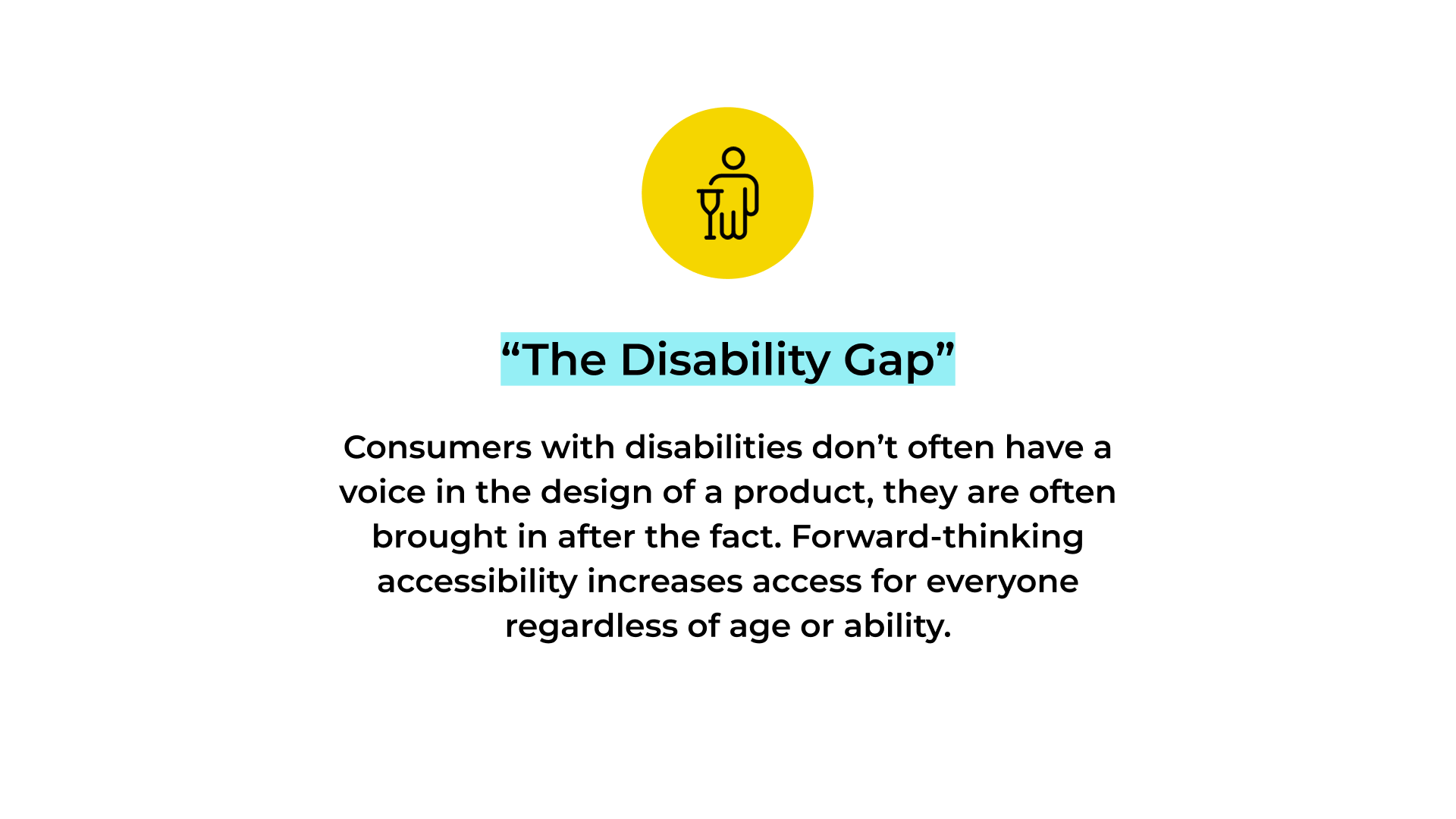
We recruited members of the blind and low-vision community who manage diabetes using Continuous Glucose Monitors (CGMs). Through individual interviews followed by collaborative ideation workshops, participants became co-designers rather than research subjects.
Instead of sketches or wireframes, we used a methodology we call Descriptive UX—encouraging participants to describe ideal experiences, goals, and workflows in their own words. This created richer conversations focused on outcomes instead of interfaces.
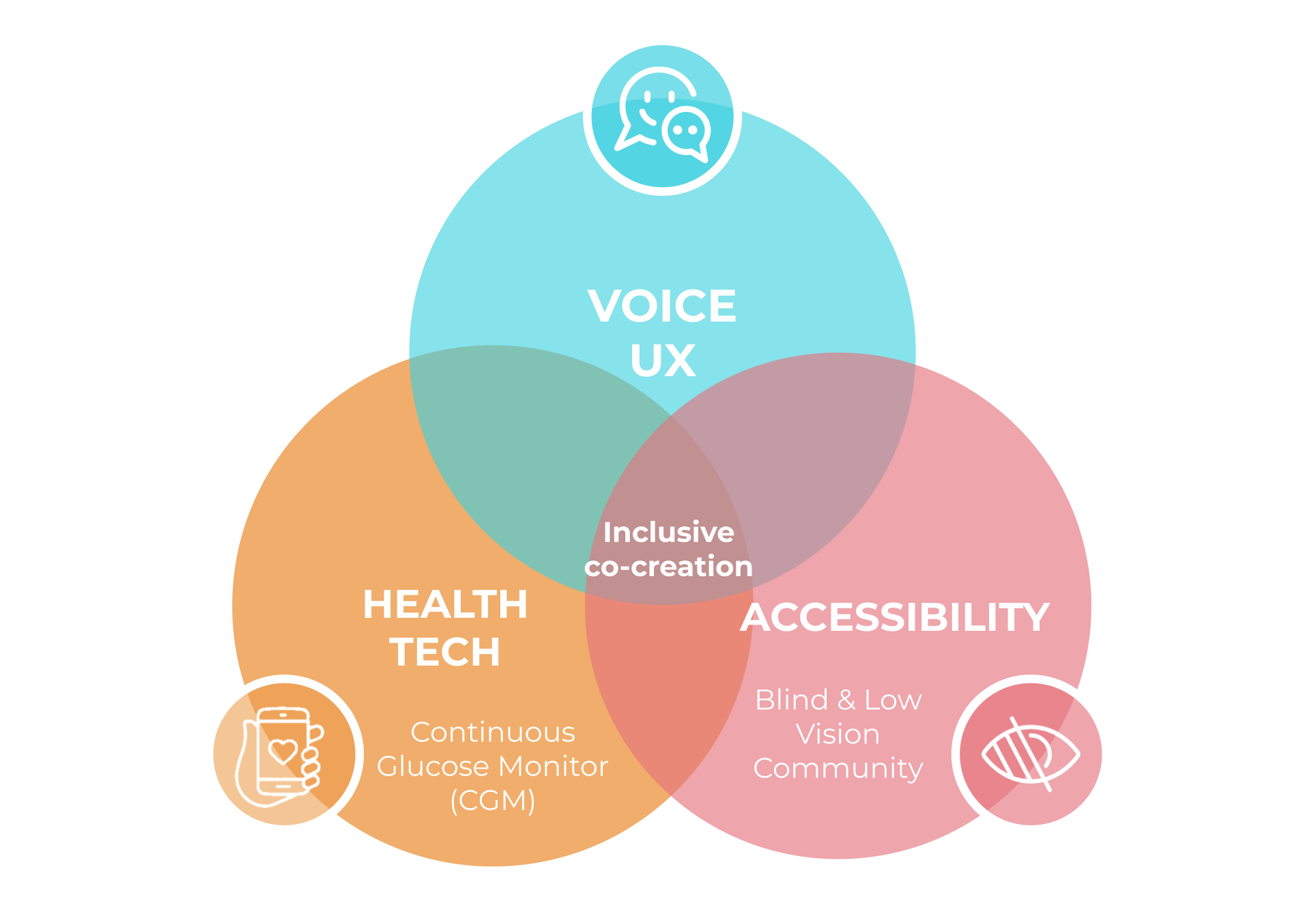
This framework brings together lived experience, conversational design, and healthcare innovation to uncover opportunities traditional design methods often miss.
Understand current workflows, barriers, and workarounds through contextual interviews.
Use Descriptive UX to explore ideal future experiences without relying on visual artifacts.
Transform participant stories into concepts, priorities, and healthcare product opportunities.
The Descriptive UX framework became the foundation for collaborative ideation, allowing participants to articulate interactions, priorities, and desired outcomes in an accessible format.
Insights gathered during co-creation were translated into an AI-assisted voice interface prototype using no-code conversational design tools. Within days, the team created an intent-based Voice UI prototype that demonstrated how participant ideas could become a more accessible healthcare experience. Rather than producing a single design solution, the project created a repeatable framework for inclusive healthcare innovation.
The best accessible products aren't designed for people with disabilities—they're designed with them.